Tony Ortega
If you’ve ever wondered just how much effort Backpage put into its ‘performative compliance with the law’ when it came to the thorough ‘self moderation’ Tony Ortega assured us all was taking place, wonder no more.
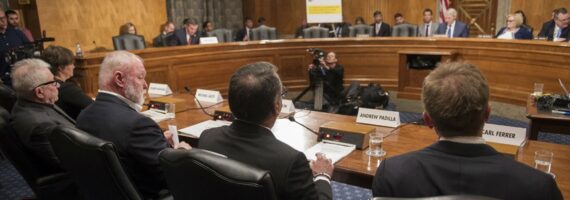
Court documents reveal that on September 1, 2010, Andrew Padilla sent an email to Dan Heyer and Carl Ferrer stating that customers who engaged in “extreme and repeat” violations of Backpage’s posting rules would have their ads deleted and be banned from the website.
Carl Ferrer, Michael Lacey and James Larkin
By 2008, if not earlier, Michal Lacey and James Larkin were aware that the overwhelming majority of the website’s “adult” ads involved prostitution. Nevertheless, they made a financial decision to continue displaying those ads.
The Backpage and its underlings also sought to sanitize the ads by editing them — that is, by removing terms and pictures that were particularly indicative of prostitution and then publishing a revised version of the ad.
In our last post we saw how the origins of the Backpage scheme were born out of the perceived threat to Village Voice Media’s business model made by Craigslist, which had just launched a ‘free classified ads’ section to their website. In response to this potential economic threat, Michael Lacey, James Larkin and Carl Ferrer created the entity known as Backpage
In 2010, however, Craiglist chose to shut down its “adult” section due to the prevalence of ads for prostitution and other illegal services.
Tony Ortega at the New Times
Michael Lacey and James Larkin are the founders of the Phoenix New Times, an alternative newspaper based in Arizona. It was here they came to know Tony Ortega, the man who was to become their public mouthpiece, corporate lapdog, and most bullish defender of their self described “right” to sell women and underage girls for sex via their online platform.
But how did these two cyber pimps come to control Backpage, the notorious online brothel at the center of the largest human trafficking bust ever made by authorities?
Tony Ortega
In recent posts we’ve been examining how Backpage blatantly abused the system set in place by federal laws regarding human trafficking broadly and the victimization of children in related online sex trafficking more specifically. And throughout it all we’ve been witness to Tony Ortega’s indifference to so much human suffering.
Lost in the shuffle of this continuing conversation, however, are the voices of brave elected officials who stood up to would-be bullies like Tony Ortega.
Section 230 was originally meant to be not only a shield for internet service pro-viders but also a sword against illicit content, allowing platforms to take down content like pornography without being held liable for doing so.
Tony Ortega knew this, and yet still worked to convince the world Backpage was doing nothing wrong. He wanted you to believe that Backpage was doing all it could to ‘aggressively protect’ those they were selling for sex by using a proprie-tary algorithm to identify and red-flag ads posted to their the Backpage personals section.
If you’ve read this blog for any amount of time, chances are you’ve seen us discuss a bit of federal legislation passed more than 20 years ago called Section 230. Given our examination this week of the latest sex trafficking lawsuit to rock the social media world, we thought we’d offer a quick refresher to remind us all exactly how sites like Backpage and Twitter have so long gotten off scott-free whenever they are exposed trafficking in sexually explicit material involving children.
Previous we here at the blog reported to our readers on the absolutely nightmarish saga of a Backpage pimp from Houston Texas named David Mearis who received the largest sentence we’ve yet seen in connection with the human sex trafficking scam Tony Ortega advocated on behalf of for years.
We noted at the time just how many similarities there were between the low level pimps like Mearis and the predatory pimps higher up the corporate chain and wondered aloud if these same judgements might also be applied to the pimps running the show.
Cyntoia Brown
The scourge of human sex trafficking Backpage unleashed on an unsuspecting world has yet to be resolved.
Though Tony Ortega’s child sex selling pals may have been apprehended and forced to await judgement for the part they played in the largest illegal prostitution racket this country has ever seen, the lasting impact of the full extent of their crimes – the ones Tony Ortega worked so hard to help them sanitize in the press – still continue to cause incalculable human suffering.
Aaron Drumheller
Ortega continues his petulant silence on the subject as further evidence of Backpage’s bloody history continues to surface.
We’ve been saying this for so long now it’s starting to sound like a broken record. But then, Tony Ortega is not an individual known for having a varied history of creativity. He is, as the saying goes, a one track pony. And, disturbingly, much of his track seems to revolve around the ‘sex-for-cash with at-risk women and underage girls’ portal known as Backpage.
The clock is counting down to what some are calling the trial of the century, namely the federal case against Backpage pimp kingpins Michael Lacey and James Larkin, et al.
Slated to begin in the summer of 2021, speculation is running rampant as to just how much jail time these kingpins will find themselves facing when all is said and done.
One question we have been wondering here at the blog is, in addition to substantial jail time whether or not the judge will also mete out meaningful financial recompense for the many victims harmed by the actions and attitudes of the Backpage sex trafficking empire.
In the world of ligation there are no shortage of dirty tricks for those unscrupulous enough to employ them. This seems to be the case especially when those charged with a crime understand how weak their legal defense is and, more importantly, just how guilty they are of the charges before them. This certainly seems to be the case in the upcoming Backpage trial, about which we have discussed much over the past few months.
We’ve long known that law enforcement takes a very dim view of those who give aid and assistance to known sex traffickers. Increasingly, the legal system is demonstrating a similar view, by allowing more and more cases to proceed against those who partnered with Backpage to exploit underage children and vulnerable women.
We’ve seen isolated cases cropping up against Backpage from individual victims seeking justice for the abuse and sexual violence they endured during that company’s time as the world’s largest online brothel.
The other day we were first to break the story to our readers of a pending tv series based on an article about Backpage which went viral. Today we received news of a similar type story – another damning article dealing with the underage sex trafficking mill and the human vermin like Tony Ortega who worked to normalize it. It too, went viral. Instead of getting a series order from a high profile production company, however, this one led to an arrest so sordid and dark it could be a David Fincher film.
Online industries have been in a lot of hot water lately: hate speech, financial scams, undermined elections and — thanks to sites like Backpage — sex trafficking.
Up to now tech companies have largely avoided legal consequences, owing to a landmark 1996 law which protects them from lawsuits.
Today that federal law, Section 230 of the Communications Decency Act, finds itself facing a brand new threat: Annie McAdams, a personal-injury lawyer in Houston.
To put it simply, the aftermath of the world’s largest child-sex ring, Backpage, has been ugly. While some of the online pimps Tony Ortega once defended as ‘expressing their First Amendment rights’ have been brought to justice for illegally trafficking exploited women and underage girls, many remain at large.
The wake of Backpage’s demise left a lot of information for investigators, however. Much of this information has come in the form of the personal stories related to authorities by the surviving victims of Backpage.
The rise and fall of the Village Voice reads like a Greek tragedy. Having long been a stalwart of strong writing and interesting points of view, it went from being an American icon to a national disgrace in a matter of a few short weeks following Tony Ortega being installed as Editor-in-Chief. It was around this time that New Times Media became “Village Voice Media,” and the Sith lords at its helm, James Larkin and Michael Lacy, felt they had free reign to exploit the seamiest possible underbelly of American media: online prostitution, and, in particular, the underage sex trade market.
By this point there are few brazen enough to argue away the corrupting influence Backpage had on every element of society it touched — from the marginalized who were its victims to the online predators from all walks of life who took advantage of the despicable illegal sex trade platform. Tony Ortega is about the only one we could think of with that unique mix of arrogance, ignorance and lack of any discernible ethical system who might take up the challenge but as we have previously noted Tony Ortega remains strangely silent on the topic he once fought so hard to defend.
The spotlight we’ve been focusing on the final days of Tony Ortega at the Village Voice has brought a lot of shady business to light. With the benefit of 20⁄20 vision the reckless criminality of Backpage and the cavalcade of villains like Tony Ortega it gave rise to, are only too obvious today. But all of this got us wondering what people were saying about the events surrounding Backpage as they were unfolding.
Questions have been pouring into the blog recently about updates to the court case against the owners of Backpage, James Larkin and Michael Lacey, set for next spring. We here do our best to bring you all the late breaking news around the illegal sex trafficking scheme Tony Ortega long shilled for, knowing full well countless children were daily being victimized to advance Backpage’s bottom line.
Recently, those of us eager to see Ortega and his bosses brought to justice received a welcomed bit of good news when the trial judge in the Lacey and Larkin case ruled that the First Amendment does not shieldthe corrupt newspapermen behind the operation from prosecution for their former ownership of Backpage despite their furtive attempts to muddy the waters by unloading the toxic company as federal authorities began zeroing in their illicit conspiracy.