What is Ethical Journalism? Part V: To Be Accountable and Transparent
As we come to a close in this close-up examination of the official code of ethical conduct for journalists, we note (unsurprisingly!) that so-called ‘tabloid journalists’ like Tony Ortega have had a demonstrably poor showing when brought face-to-face with these professional standards.
Today we reach the fourth and final of the major ethical principles as articulated by the Society of Professional Journalists (SPJ) on the journalistic imperative to be accountable and transparent in all reporting.
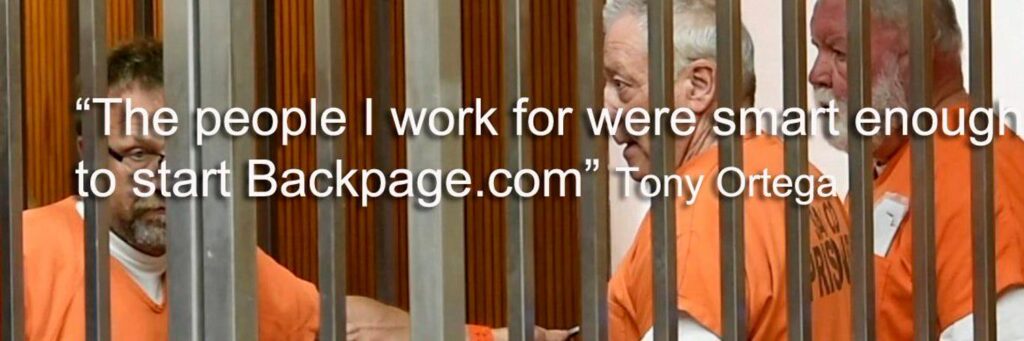
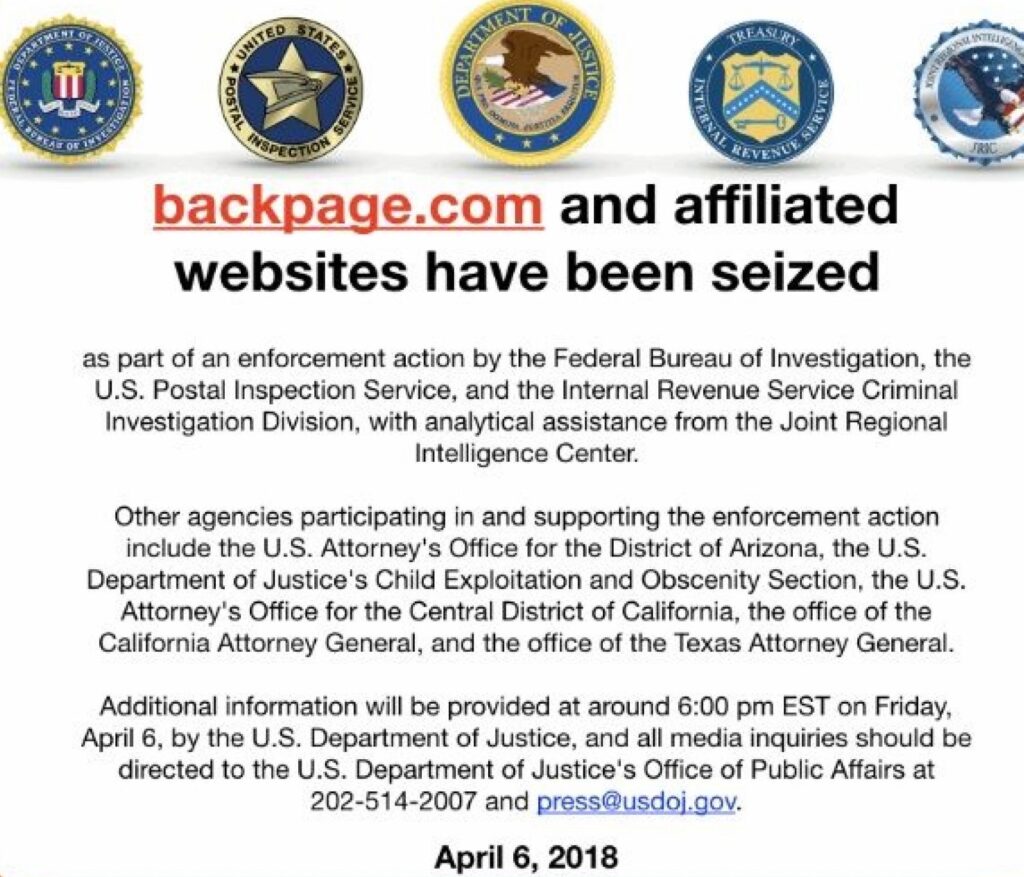
Ethical journalism means taking responsibility for one’s work and explaining one’s decisions to the public, it doesn’t mean hiding behind a highly suspect ‘editorial discretion’ Tony Ortega so long hid behind at the Village Voice while covering for the Backpage human sex traffickers.
The journalistic code of ethics states definitively that ethical choices and processes ought always be explained to audiences in order to foster a civil dialogue with the public about journalistic practices, coverage and news content.
Tony Ortega, in contradiction to these guidelines, never explains and often moves quickly to quell anything approaching meaningful discussion on his blog as to his dubious ‘journalistic practices’. What is more, he consistently demonstrates his willingness to run his blog like a tinpot dictator, allowing no dissent and zero unauthorized dialogue.
Does Tony Ortega pass this test?: No
Ethical journalists should have nothing to hide about their stories and they should be able to explain their actions and decisions when asked. Indeed, per the committee’s regulations: “ _the importance of transparency, including sharing information about reporting, cannot be overstated._”
And yet, counterfeit journalists and would-be newsmen like Tony Ortega take it as almost a point of pride to obscure the decisions made in their reporting (not to mention their dark and selfish motivations for writing in the first place.)
How many times have we seen Tony Ortega refuse to answers questions on his blog or Twitter about the accuracy, clarity, or fairness of his alleged ‘reporting’? One is more likely to receive a swift ban than a substantive answer for even broaching such questions — as we here at the blog have learned the hard way.
Does Tony Ortega pass this test?: No
Above all, however, the Committee requires that ethically sound journalists expose unethical conduct in journalism, including within their organizations.
Take a step back and yourself how Tony Ortega, defender of the Backpage child sex ring, measures up to this one…
Far from ‘exposing the unethical conduct at work within his own organization Ortega took extraordinarily measures to continue to deceive the public by painting his employers as besieged constitutional champions, instead of the glorified back-alley pimps they were.
Does Tony Ortega pass this test?: No
As we conclude this study we are reminded that even though the Society’s Code of Ethics is one of the most valuable and helpful resources in journalism, it is entirely voluntary. As such, its rules of conduct are unenforceable under the First Amendment of the U.S. Constitution — which is how deceitful imposter journalists like Tony have managed to get away pumping out their fictional “news” for so long.
The inescapable fact remains that accountability and credibility in journalism go hand in hand. And happily, this still holds true for the vast majority of professional journalists.
Tony Ortega and his cohort of unaccountable, un-credible, and decidedly unethical cabal of tabloid hacks, however, have chosen at every turn to circumvent the ethical mandates of their profession in favor of their own dishonest, unprincipled, and shamelessly careerist ends.
And by so doing, Tony Ortega and those who follow his example resoundingly fail the official test of professional journalist ethics.