The Smoking Gun Of Backpage’s Sham of Self-Moderation
On October 27, 2010, Dan Hyer sent an internal email stating that Backpage was “editing 70 to 80%” of the ads it received from customers. In other words, through Hyer, Backpage’s Sales and Marketing Director, the company directly acknowledged that a large proportion of the ads originally submitted by Backpage’s own customers contained text and pictures that were indicative of prostitution and that Backpage was still choosing to publish those ads after editing them. So much for Tony Ortega’s fraudulent claim that
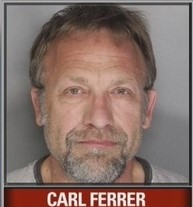
On November 4, 2010, Carl Ferrer sent an email to Backpage’s India-based moderators (on which Backpage Operations Manager Andrew Padilla was cc’d) explaining that:
“[m]any of the ads need to have 15 minute and 30 minute pricing removed” and that “I’m being evaluated by lawyers [i.e., state attorneys general] later this week so cleaning up old stuff is important.”
Two weeks later, Hyer and Padilla received an email acknowledging that the term Lolita is “code for under aged girl” but explaining that this term could simply be stripped out from ads (as opposed to refusing to publish the ad). The email went on to explain that customers should be allowed to include their identification numbers from a notorious prostitution website, The Erotic Review (TER): “[A]llow users to put in TER IDs (just no live links).”
Perhaps someone like Tony Ortega was mentally unable to make sense of why a platform like Backpage would push to allow users to post ID numbers from known prostitution sites but to those of us not directly on the Backpage payroll the answer seems only too obvious — because it was a sham!
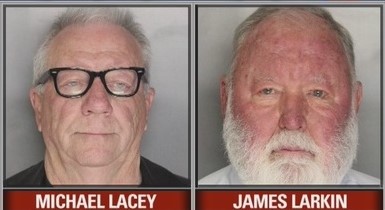
It was then on November 30, 2010, that James Larkin, Scott Spear, and other Backpage representatives participated in a conference call with representatives from NCMEC. During this call, the Backpage representatives were advised that a large portion of the ads on Backpage were blatant prostitution ads, that many of those ads featured children, and that the posting of such ads was illegal in every state.
Days later, Hyer, Padilla, and others exchanged a series of emails entitled “Deep cleaning strip out.” These emails identified a lengthy list of terms that were indicative of prostitution and discussed plans for removing the terms from the old ads in Backpage’s archives.
Tellingly, however, it was during this exchange that court documents reveal Carl Ferrer stated in no uncertain terms that Backpage wasn’t willing to delete the old prostitution ads because: “our users love having access them…So, best to do deep cleaning and not kill a valuable feature.”
If that’s not a smoking gun we here at the blog don’t know what is. But in case the point wasn’t entirely clear, Ferrer later went on to ‘encourage’ Backpage’s staff to complete the project as quickly as possible in order to avoid scrutiny. In fact, court documents quote Carl Ferrer making it more explicit still: “ This task is urgent since CNN is runing [sic] a report soon.”