The Lesson No One Learned From Backpage
As we here at the blog were first to anticipate earlier this week, the initial shockwaves surrounding the recent lawsuit filed against Twitter for not removing sexually explicit content depicting a minor are suddenly beginning to be felt within the legal world.
Call it the lesson no one learned from Backpage, namely: that corporate media companies — no matter who they are — must be held accountable for illicit content posted on their platforms. Full stop.
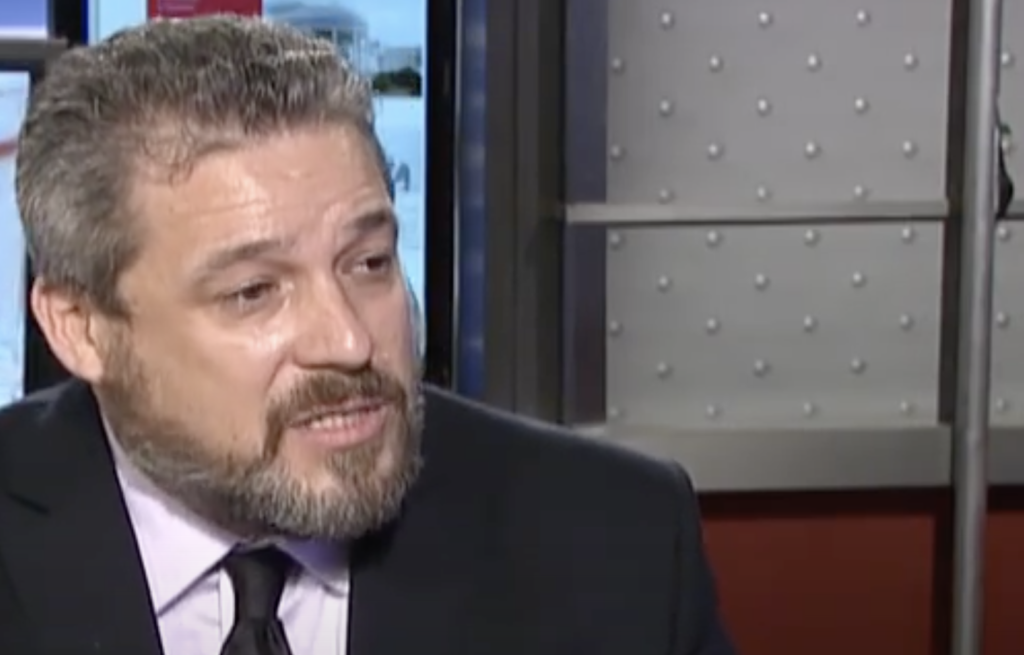 Tony Ortega
It may have been unscrupulous opportunists like Tony Ortega who once paved the way for sex traffickers to exploit so-called ‘freedom of expression’ rights in order to make a mint of the backs of underage children and young women prostituted through coercive means in those dark days of Backpage, but this is 2021.
Con-men and fast talking sex-slaver apologists like Ortega have rightfully been discarded into the waste bin of history. Now it is time we took to heart the painful lessons drawn from the Backpage reign of terror.
One of those lessons is that the initial physical abuse underage victims of sex trafficking face is harmful enough, but there is additional harm done every time that abuse is broadcasted and shared again. It is harmful to the victim and harmful to those who consume the perverse images.
And those harms spill over into the users’ broader communities, repeating the same cycles of exploration and victimization over and over again.
This is was never understood by the mafia-like fat cats who ran Backpage, let alone the willing lapdogs like Ortega who were only ever in it for a quick buck and damn the consequences to anyone else.
Even if they had understood they would have done nothing to change their sordid business model, knowing it would negatively impact their bottom line. And for Tony Ortega’s criminally inclined bosses, maximizing profits was always the name of the game.
And yet, as we previously reported to you, the impact of this Twitter case may soon change all that because the urgent need to amend Section 230 of the Communication Decency Act has never been clearer than it is now.
Section 230 has, up until now, served to shield sex trafficking sites like Backpage and from liability for the content it hosts.
Indeed, the existence of Section 230 is precisely what emboldened blowhards like Ortega to scream to the hills about how ‘puritanical’ reformers and ‘hysterical’ child advocates were attacking their sacred rights as billion dollar conglomerates to exploit children within the pages of their sexually explicit advertisement section.
However, with this trial refocusing national attention upon the need to do away with the protection for human traffickers Section 230 provides, the day may finally have arrived when we are able to move beyond Tony Ortega’s lies and at long last learn the long-overdue lesson of Backpage.