Breaking the Shield Of Ortega’s Bogus Immunity
If you’ve read this blog for any amount of time, chances are you’ve seen us discuss a bit of federal legislation passed more than 20 years ago called Section 230. Given our examination this week of the latest sex trafficking lawsuit to rock the social media world, we thought we’d offer a quick refresher to remind us all exactly how sites like Backpage and Twitter have so long gotten off scott-free whenever they are exposed trafficking in sexually explicit material involving children.
At its most fundamental level Section 230 provides immunity to social media companies like Facebook and Twitter against being sued over the content on their site. This allows them to operate and grow without restriction and, most importantly, without needing to moderate content.
As Jeff Kossett, a cybersecurity law professor at the U.S Naval Academy and one of the foremost experts on Section 230 explains:
“Section 230 set the legal framework for the internet that we know today that relies heavily on user content rather than content that companies create. Without Section 230, companies would not be willing to take so many risks”And that is, of course, exactly the loophole Ortega took full advantage of on behalf of his bosses at Backpage. There was almost no risk Backpage wasn’t willing to take because they knew — as did their unofficial public relations yes-man, Tony Ortega — that at the end of the day they could run and hide behind Section 230.
Over the last few years, however, this has been changing. In September of last year the Department of Justice put forward a legislative proposal to amend Section 230 to realign its incentives with the goals of the original statutory text—to encourage innovation balanced with appropriate incentives for platforms to remove harmful content.
DOJ’s proposal is aimed at incentivizing online platforms like Backpage copycat sites to address illicit content, rather than allow them to hide behind the immunity claims of Section 230 in the way craven defeatists like Tony Ortega were in the habit of doing.
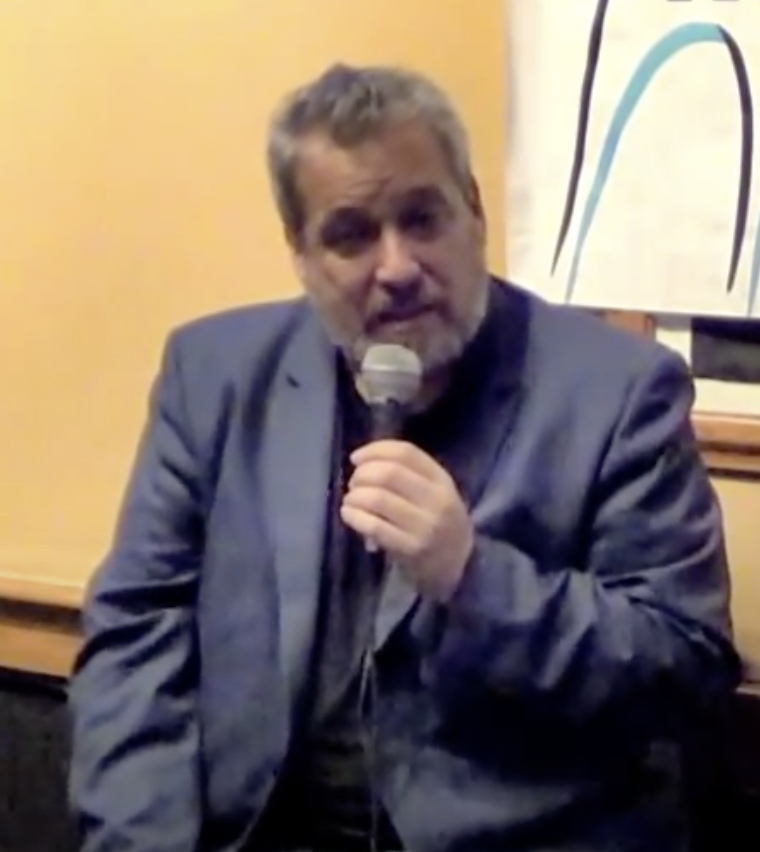 Tony Ortega
We here at the blog share the view of many who consider what Tony Ortega did was cowardly, but by blatantly misusing the protections provided by Section 230 Backpage demonstrated to the world it was as hypocritical, shameful, and disgusting as Ortega himself, the man they paid to peddle this bogus line of defense.
In the years since Backpage has been dismantled, illicit online content has continued to proliferate and has become increasingly violent and harmful to underage children. Whatever direct threat Tony Ortega and Backpage may have once posed to our nation’s youth may be behind us but until the last remnant of sanctuary for sex traffickers is struck down and eliminated for good, we cannot rest.